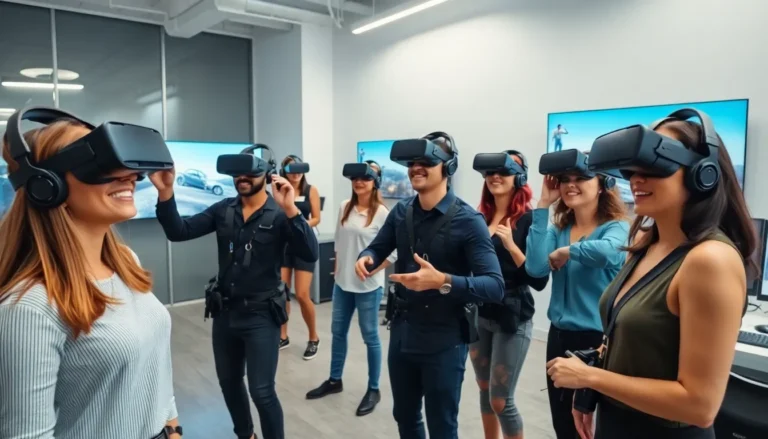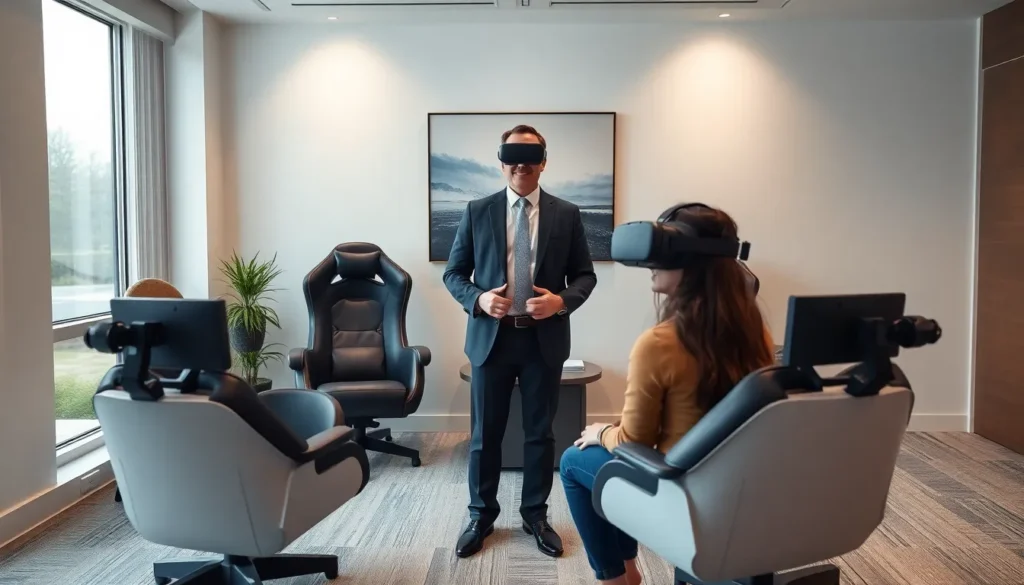

Imagine facing your biggest fears without ever leaving the comfort of your living room. Sounds like something out of a sci-fi movie, right? Well, welcome to the world of VR exposure therapy. This cutting-edge approach combines virtual reality technology with psychological treatment to help individuals confront and overcome their anxieties in a safe and controlled environment. Whether it’s fear of heights, spiders, or public speaking, VR exposure therapy offers an innovative solution, one that even a cat wearing a virtual headset might be impressed by.
What Is VR Exposure Therapy?
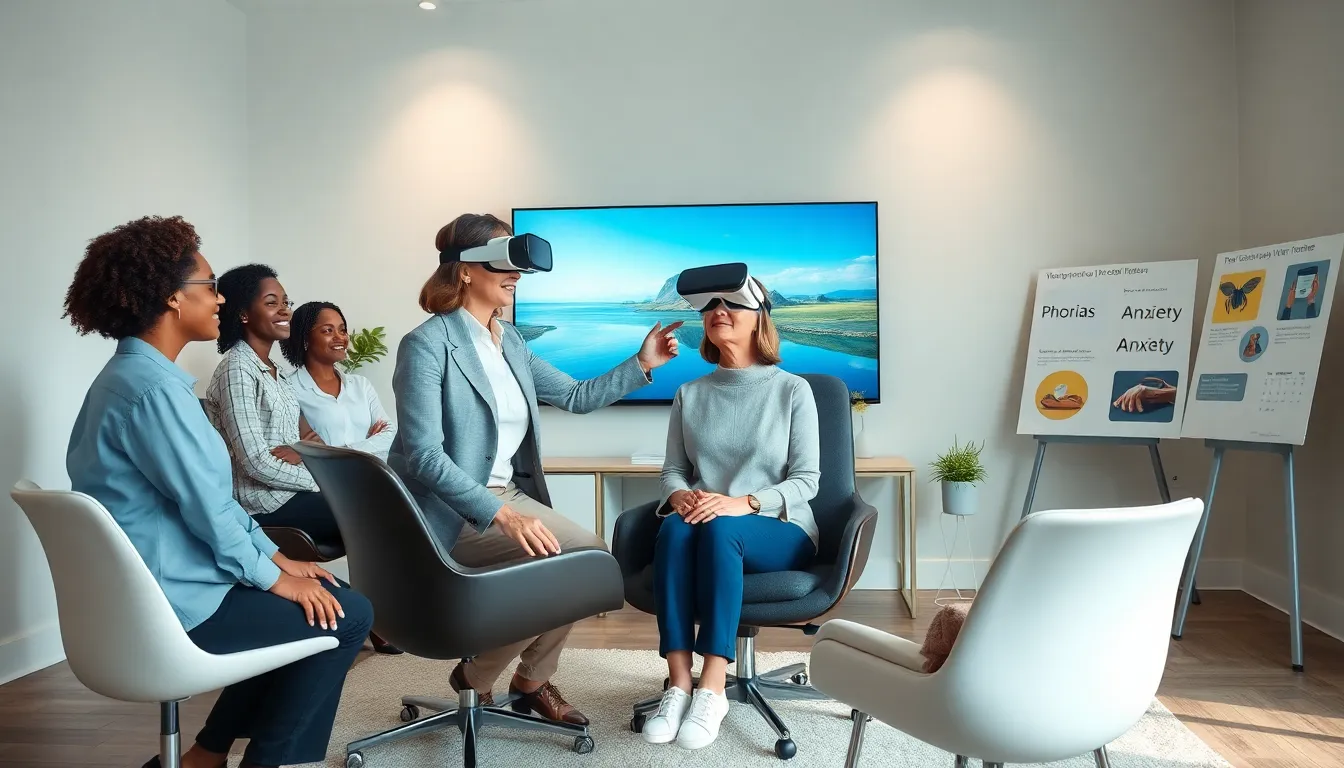
VR exposure therapy is an innovative psychological treatment that uses virtual reality technology to simulate real-world environments. By immersing individuals in a controlled virtual setting, therapists can help them confront their fears in a safe space. It combines elements of traditional exposure therapy with the immersive capabilities of VR, making it more effective than some conventional methods. This approach is particularly beneficial for those who experience intense anxiety or phobias, as it allows for a gradual exposure to feared situations without the risks involved in real-life exposures.
How VR Exposure Therapy Works
The process begins with a thorough assessment by a trained mental health professional. They identify specific fears and the underlying reasons for the anxiety. Next, the individual dons a virtual reality headset that immerses them in a tailored simulation. This could range from standing on the edge of an imaginary cliff to navigating a crowded subway. Initially, users might experience these scenarios in a highly controlled environment where they can engage without overwhelming stress.
Gradually, the difficulty level increases. For instance, if someone is phobic about flying, they might first explore a stationary airport scene before eventually boarding a virtual plane. Such staged exposure helps build confidence and coping strategies. Monitoring by therapists throughout sessions ensures that support is readily available if anxiety levels peak.
Applications of VR Exposure Therapy
VR exposure therapy has found a myriad of applications across various domains. One of its most notable uses is in treating post-traumatic stress disorder (PTSD), where patients can revisit traumatic events in a safe and controlled manner. Another common application is for phobias, including fear of flying, heights, or enclosed spaces. Also, it has shown effectiveness in helping individuals with social anxiety and those preparing for high-stress situations, like public speaking or job interviews.
Further applications include treating obsessive-compulsive behaviors and reducing anxiety related to medical procedures. By offering a simulation of the scenarios that trigger distress, individuals can develop coping mechanisms and strategies in a supportive environment.
Benefits of VR Exposure Therapy
The benefits of VR exposure therapy are numerous and significant. Firstly, its immersive nature allows individuals to experience scenarios more vividly than traditional methods. This heightened engagement can accelerate the desensitization process, making it easier to confront fears.
Also, it provides a controlled environment where therapists can manage the intensity of exposure. Immediate feedback and support from therapists help real-time strategies to cope with anxiety. Also, it makes therapy accessible to those who might struggle with traditional approaches, particularly in remote or underserved areas. Finally, users have reported higher satisfaction rates and increased motivation to engage in their treatment plans.
Challenges and Limitations
Even though its promise, VR exposure therapy is not without challenges. One major concern is the cost: not everyone has access to the equipment required, such as high-quality VR headsets and software. Also, if not implemented carefully, users might experience discomfort from extended periods of immersion. Motion sickness is also a common issue that therapists need to monitor.
Another limitation is the variability in individuals’ responses to VR experiences. Not everyone will find the simulations effective, and some may even feel increased anxiety or resistance instead of relief. These factors highlight the importance of proper training and adaptability in therapists to ensure that the therapy is genuinely beneficial.
The Future of VR Exposure Therapy
The future of VR exposure therapy looks bright. As technology advances, so too does its potential for enhancing therapeutic practices. Researchers are exploring more sophisticated simulations that can adapt to real-time biometrics, creating personalized experiences. For instance, heart rate monitors could be integrated to adjust scenarios based on a user’s anxiety levels, ensuring that challenges remain effective yet manageable.
Also, ongoing studies aim to expand applications into additional areas, such as treating addiction and depression. As more mental health professionals become trained in these technologies, it is likely that VR exposure therapy will become a mainstay in therapeutic practices, providing innovative solutions for managing mental health.