

Ever found yourself staring longingly at the latest laptop, dreaming of its sleek design and powerful specs, but the price tag makes you wince? Enter lease to own laptops, the magical middle ground between outright buying and endless rental fees. This clever approach allows tech enthusiasts to get their hands on that shiny device without having to fork over a fortune upfront. Whether you’re a student or a professional, this guide will explore why lease to own might just be the solution you’ve been waiting for, and let’s face it, who doesn’t like a little financial flexibility?
Understanding Lease To Own Programs
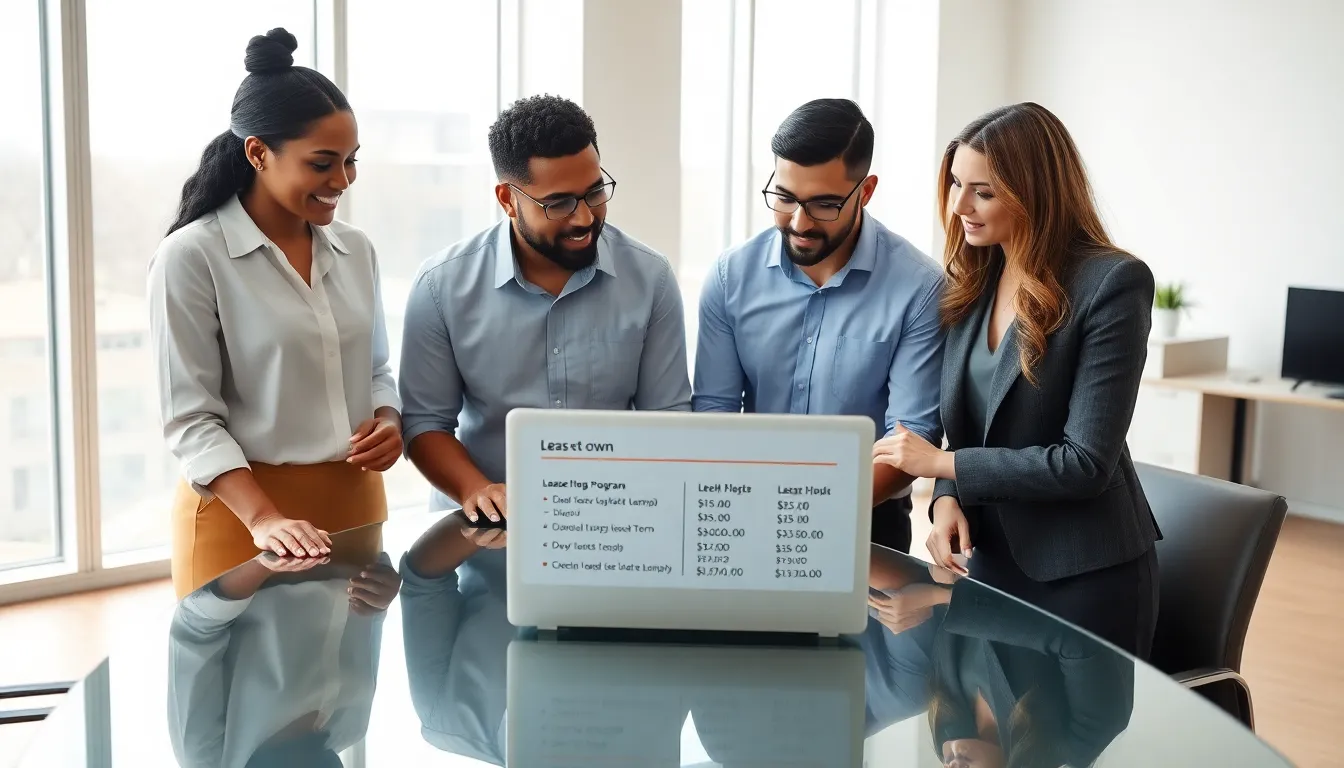
Lease to own programs represent a savvy option for acquiring laptops without the immediate financial burden that outright purchases create. This model allows individuals to pay a set amount monthly for a designated period, typically leading to ownership by the end of the lease. It’s akin to stretching your payments for a luxurious experience over several months, making it easier on the wallet. Usually, a portion of each payment contributes to the total cost, so when you’ve completed your payments, congratulations, you own the laptop. Also, these programs often include flexible terms, accommodating various budgets and credit situations.
Advantages of Leasing Laptops
Leasing laptops comes with a treasure trove of benefits:
- Lower Upfront Costs: Instead of shelling out the full amount at once, leasing allows users to spread the financial burden over smaller, manageable payments.
- Up-to-Date Technology: Technology evolves at lightning speed. By leasing, users can upgrade to the latest models once their lease term ends, ensuring they stay ahead in performance and functionality.
- Maintenance and Support: Many leasing programs include support and maintenance, meaning you won’t have to worry about unexpected repair costs.
- Flexibility: If situations change, say, a new job opportunity or a study abroad stint, a lease provides the flexibility to adjust or even exit the agreement.
In short, leasing laptops gives users access to high-quality technology without the long-term commitment of ownership.
Factors to Consider Before Leasing a Laptop
Before diving into a lease to own agreement, it’s essential to weigh several key factors:
- Total Cost: Calculate the overall amount paid throughout the lease versus the retail price of the laptop. Sometimes, the math can reveal whether leasing is truly worth it.
- Lease Term Length: Ensure the lease duration aligns with your needs. A shorter lease may seem appealing, but consider how often you’ll want to upgrade.
- Financing Charges: Carefully review the interest or financing fees that come with the lease. These can inflate the total cost significantly.
- Condition of the Laptop: Always inspect the laptop’s condition. Is it new or refurbished? Understand how the condition affects warranty and performance.
- Ownership Options: Familiarize yourself with the terms about ownership at lease end. Do you get to buy the device at a reduced rate? Get clarity on this point.
The Process of Leasing a Laptop
Leasing a laptop typically follows a straightforward process:
- Research Lease Options: Start by looking at various retailers or leasing companies. Compare their lease to own programs, terms, and fees to find the right fit.
- Choose Your Laptop: Once you’ve identified potential lessors, it’s time to select the laptop that meets your needs, be it for gaming, work, or study.
- Apply for Financing: Most lease programs require an application. This often involves a credit check. Ensure you have all the necessary documentation ready.
- Review the Contract: Before signing anything, take a good look at the lease details. Understand the payment structure and your obligations. If something seems off, don’t hesitate to ask questions.
- Make Payments and Use Your Laptop: Upon approval, you’ll make payments while enjoying your new laptop, progressing through the lease term until ownership is within reach.
Budgeting for a Lease To Own Laptop
Creating a budget for a lease to own laptop involves a few practical steps:
- Determine Your Monthly Payment Cap: Evaluate your monthly income and expenses to see how much you can comfortably allocate for laptop payments. This isn’t a one-size-fits-all, as everyone’s financial landscape is unique.
- Consider Additional Costs: Keep in mind that leasing may involve additional costs, including insurance or service charges, which you should factor in.
- Use Online Calculators: Leverage budgeting tools or calculators that can help simulate different lease-to-own scenarios, allowing for well-informed choice-making.
- Be Prepared for Unexpected Expenses: Set aside a small buffer for potential tech-related expenses, like software or accessories.
By following these steps, users can ensure they lease a laptop within financial constraints, avoiding the trap of overcommitting.
Comparing Lease To Own Options
Not all lease to own programs are created equal. Different companies have varying terms, conditions, and offers:
- Local vs. National Retailers: Local stores might provide personalized service, while national chains often have extensive selection and competitive pricing.
- Duration and Payment Structure: Some may offer short-term leases with higher monthly payments, while others support long-term leasing at lower rates. Determine which aligns with your needs.
- Inclusions: Investigate what each program includes in their lease, maintenance, support, and warranties can vary greatly.
To make an informed choice, compile your options and compare specifications, prices, and benefits, ensuring you’re getting the best deal.