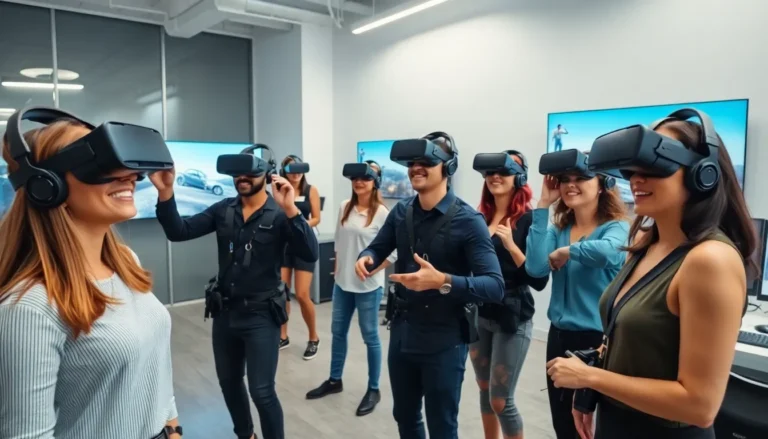
Imagine soaring through the sky with the freedom of a bird, but instead of flapping wings, you’re piloting a drone equipped with a VR headset. Sounds like something out of a sci-fi movie, right? Well, welcome to the future. Combining drones with virtual reality is not just a gimmick: it’s an exhilarating experience that elevates flying to a whole new level. This article delves into how this innovative technology is shaping the way we experience aerial views, whether you’re a thrill-seeker or a tech enthusiast. It’s time to strap in and explore the skies like never before.
Overview of Drones And VR Technology
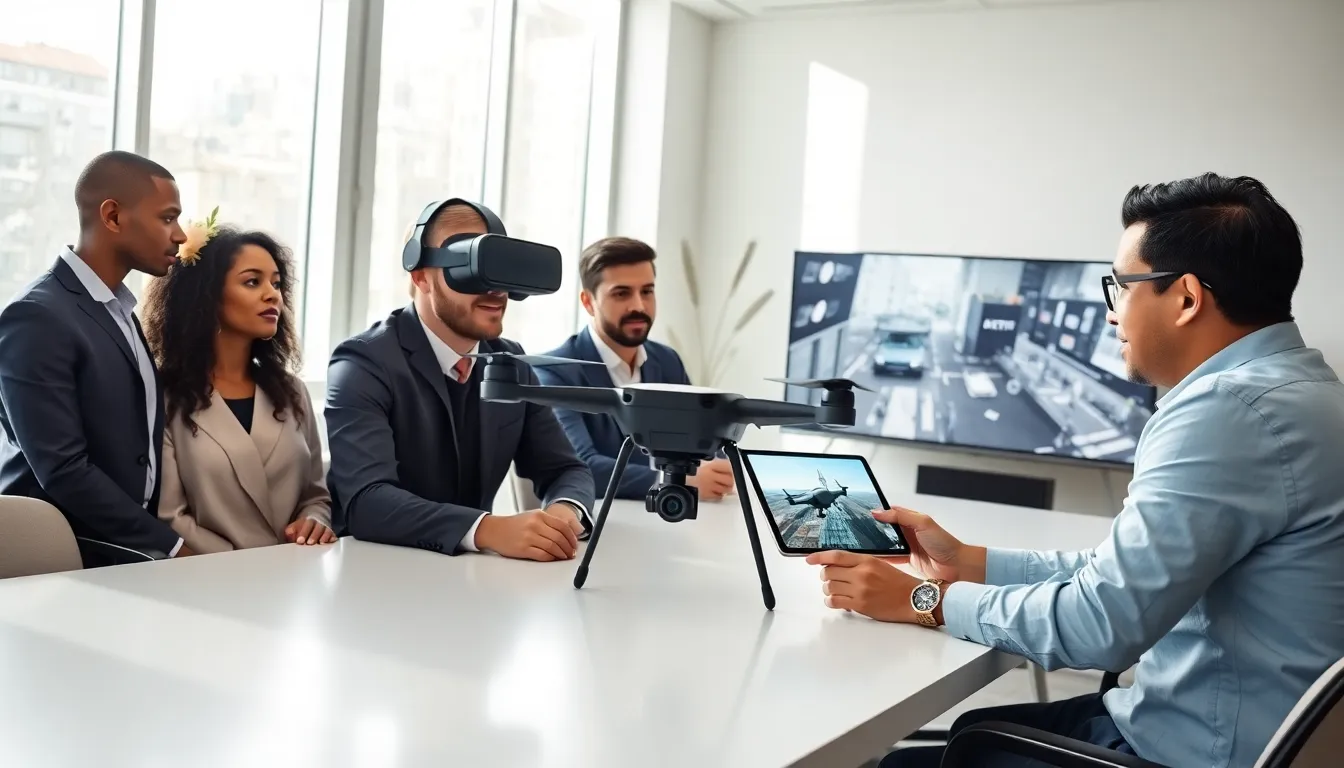
The Evolution of Drone Technology
Drones have come a long way since their inception. Initially developed for military applications, these unmanned aerial vehicles have found their place in a variety of fields, including photography, agriculture, and even delivery services. Today’s drones are equipped with advanced sensors, high-definition cameras, and intelligent flight systems that allow for impressive maneuverability and ease of control.
As technology has progressed, the integration of VR has transformed how users interact with drones. Indeed, flying a drone is now more intuitive, immersive, and accessible, attracting both hobbyists and professionals alike.
How VR Headsets Enhance Drone Flying
Incorporating VR headsets into the drone flying experience creates a unique synergy that immerses pilots in a breathtaking real-time view of their surroundings. With a VR headset, operators can experience a first-person perspective, giving them the sensation of actually being in the cockpit. This immersive experience not only enhances the thrill of flying but also allows for more precise navigation.
Also, VR technology has the potential to improve flight safety. By providing clarity and a range of virtual views, think of it as having multiple eyes in the sky, pilots can avoid obstacles and better gauge distances, later reducing risks associated with drone operation.
Applications of Drones With VR Capabilities
Recreational Use: A New Way to Experience Flying
For drone enthusiasts, combining VR technology with aerial gadgets transforms ordinary flying into extraordinary adventures. Users can traverse stunning landscapes, explore remote areas, or just engage in thrilling races with an adrenaline rush like no other. Imagine flying through a dense forest or over a bustling city and feeling the wind rush past you, all from the comfort of your living room.
Also, VR drones provide an unparalleled opportunity for social interaction. Friends can join virtual flying sessions, racing against each other in simulated environments, all while connected through their VR systems. What better way to bond than soaring through the skies together?
Professional Applications: Industries Leveraging Drones With VR
Beyond recreational use, various industries are increasingly tapping into the potential of drones with VR capabilities. Real estate agents can effectively showcase properties, allowing potential buyers to visualize homes through aerial tours like never before.
In agriculture, farmers can monitor crops and assess land conditions using VR-equipped drones, which helps them make informed decisions to enhance productivity and sustainability. Meanwhile, the film industry is utilizing this technology for stunning cinematography, elevating the art of storytelling through breathtaking aerial shots.
Technical Considerations When Using Drones With VR Headsets
Choosing the Right Drone and VR Setup
Selecting the right drone and VR headset combination is crucial for an optimal flying experience. Factors such as flight range, battery life, and camera quality play a significant role in determining the best setup. High-definition video feed and low latency are vital for a seamless VR experience. Popular options in the market now offer compatibility with leading VR headsets, making this selection process easier for users.
Overcoming Common Challenges in Drone VR Integration
While the technology is exciting, it’s not without its hurdles. Connectivity issues can lead to delays and interruptions during flight, which can detract from the immersive experience. To counter this, users should conduct thorough testing before official flights and ensure all equipment is properly calibrated. Also, understanding local regulations about drone operations helps avoid legal pitfalls that could disrupt usage.
The Future of Drones and VR Technology
Innovations on the Horizon
As the drone and VR industries continue to evolve, innovations are emerging that promise to further enhance the user experience. New developments in artificial intelligence are poised to revolutionize the way drones interact with their environments. Imagine a drone that can autonomously avoid obstacles or provide real-time data analytics based on the views captured, this is not just science fiction: it’s where the technology is heading.
Potential Market Growth and Trends
The future of drones with VR technology looks promising. The demand for aerial views in various sectors is expected to grow steadily, driving increased investment and research. According to industry forecasts, the market is projected to expand significantly, attracting more players and pushing for innovative solutions. Both hobbyists and professionals will continue to embrace this technology, propelling it to new heights.